



Posts

24Apr2025
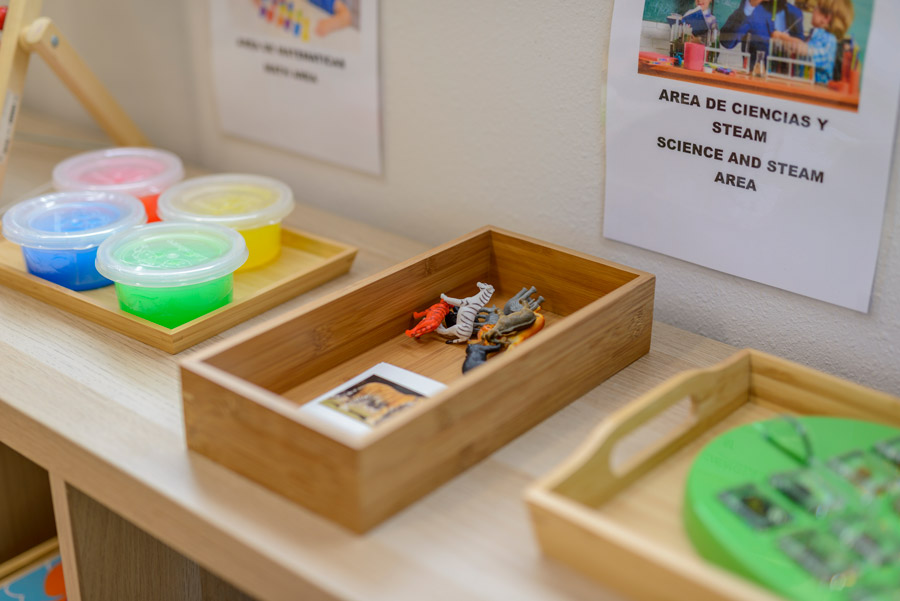
Little Thinkers ABC science and STEAM area with colorful sensory cups and hands on learning materials displayed on wooden trays.

STEM (Science, Technology, Engineering, and Mathematics) education is crucial in preparing children for the future. At Little Thinkers ABC, we introduce STEM concepts through engaging activities that nurture curiosity and a love for learning. Early exposure to STEM not only builds foundational knowledge but also enhances children’s ability to think critically and solve problems.

Benefits

  • Encourages problem-solving and critical thinking
  • Enhances creativity and innovation
  • Prepares children for future academic success
  • Builds confidence in STEM-related subjects
  • Promotes curiosity and independent exploration
  • Develops perseverance through hands-on challenges

How We Implement STEM Learning

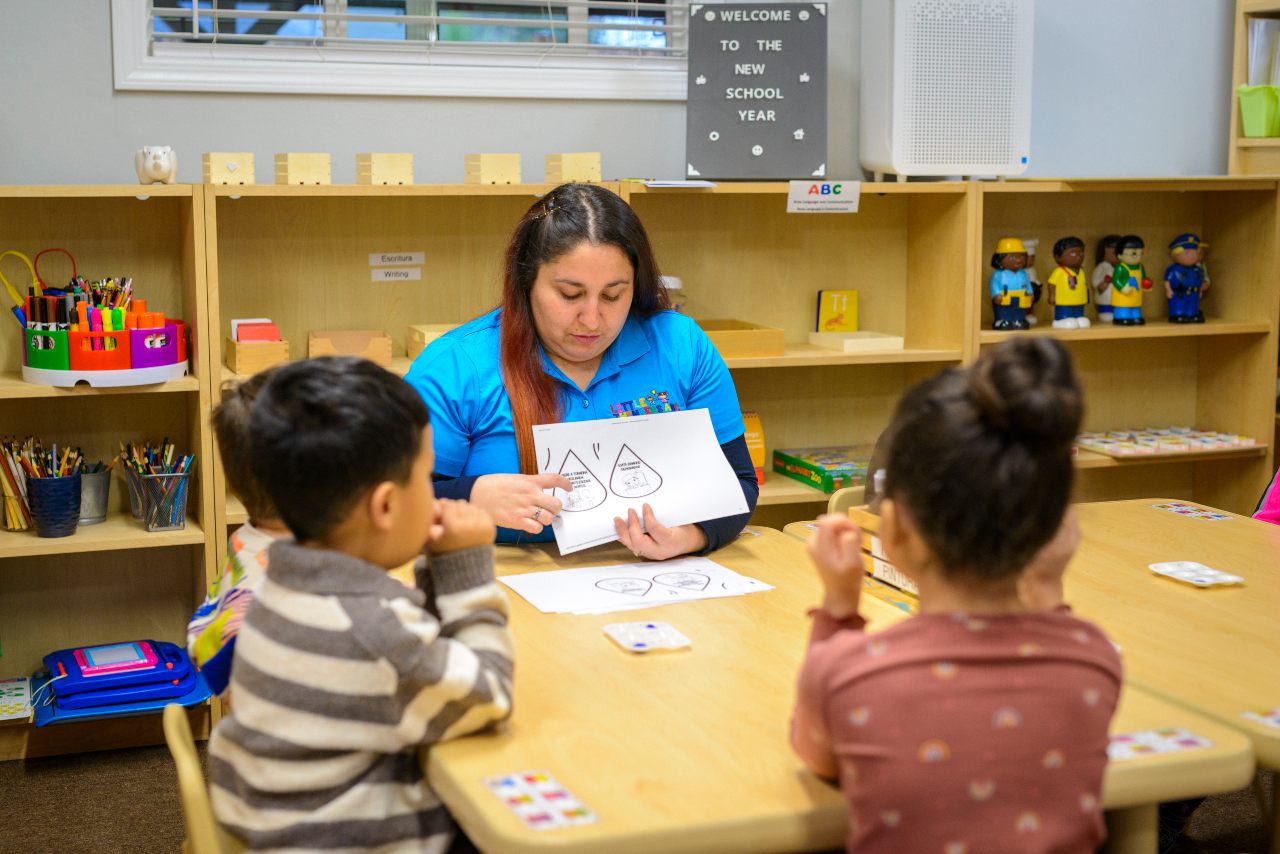
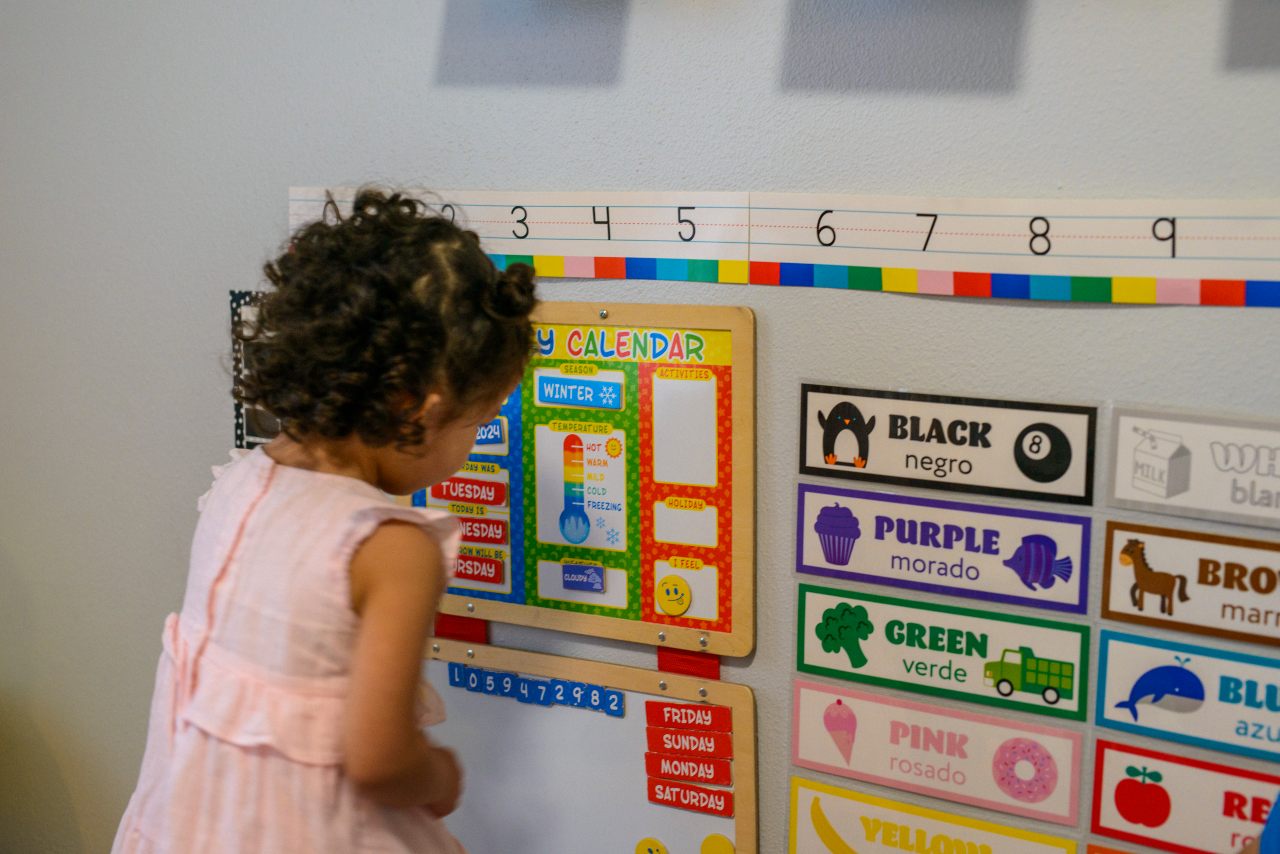
We integrate STEM through project-based learning, hands-on experiments, and interactive activities that make complex concepts accessible to young learners. Our bilingual approach helps children engage with STEM topics in both Spanish and English, reinforcing learning and cognitive development.

Expert Tips

  • Encourage at-home STEM activities such as building with blocks, simple science experiments, or exploring nature.
  • Read books and stories that highlight STEM concepts and real-world applications.
  • Use everyday experiences, such as cooking or gardening, to discuss scientific and mathematical principles.

Learn more about how our STEM program fosters a lifelong love of learning. Contact us today!

20Mar2025
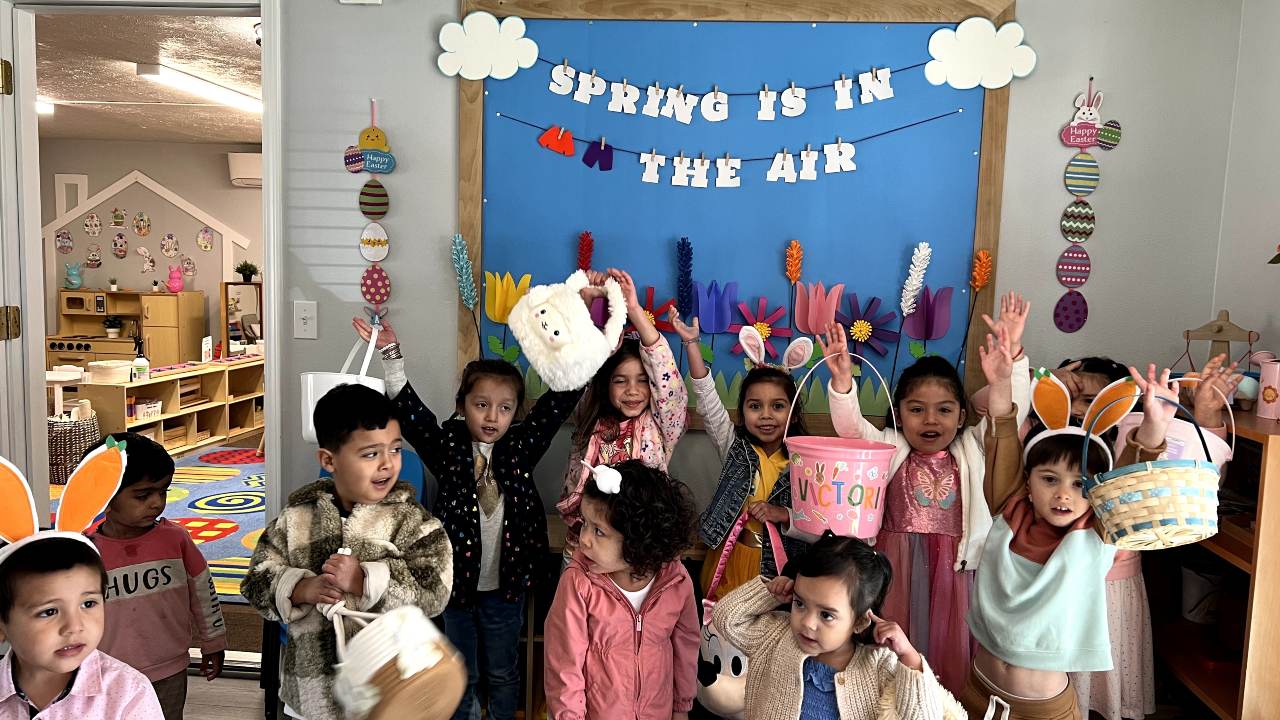
Little Thinkers ABC students celebrating a spring classroom event in front of a “Spring is in the Air” bulletin board with baskets and decorations.

Education is about more than academics. It’s about nurturing well-rounded individuals who know how to treat others with kindness, work together effectively, and navigate the world with integrity. That’s why teaching core values like respect, empathy, and collaboration is a cornerstone of our approach at Little Thinkers ABC.

Why Core Values Matter

Core values are the moral compass children use to guide their behavior and decision-making. By learning respect, empathy, and collaboration early, children develop the social and emotional skills they need to build meaningful relationships and contribute positively to their communities.

Teaching these values isn’t just about shaping kids’ behavior today—it’s about preparing them to be compassionate leaders, thoughtful friends, and active citizens in the future.

How We Teach Respect at Little Thinkers ABC

Respect starts with recognizing the value in others and treating them with kindness. At Little Thinkers ABC, we model and encourage respect in several ways:

  • Respect for Others: We teach children to listen when someone is speaking, use kind words, and acknowledge different perspectives.

  • Respect for Themselves: Children learn to value their own feelings and opinions, empowering them to set boundaries and express themselves confidently.

  • Respect for the Environment: From cleaning up their play areas to caring for classroom plants, we encourage students to take responsibility for their surroundings.

Building Empathy Through Connection

Empathy is the ability to understand and share the feelings of others—a skill that makes relationships stronger and communities more supportive. Here’s how we help children develop empathy:

  • Storytelling and Role-Playing: Reading stories and acting out scenarios helps children step into someone else’s shoes, making it easier for them to understand others’ emotions.

  • Emotion Recognition Activities: We guide children in identifying and labeling emotions, both their own and those of others, to foster deeper emotional awareness.

  • Community Projects: Participating in acts of kindness, like making cards for seniors or helping a friend in need, helps kids see the positive impact of caring for others.

Collaboration in Action

Teamwork is a skill that benefits children throughout their lives, from group projects in school to professional collaborations as adults. At Little Thinkers ABC, we create opportunities for children to work together, teaching them to:

  • Share ideas and respect others’ contributions.

  • Take turns and divide tasks fairly.

  • Solve problems as a team, learning that different perspectives can lead to creative solutions.

Whether it’s building a block tower together or creating a group art project, these activities show children that working together makes achievements even more rewarding.

Reinforcing Core Values at Home

We believe parents play a vital role in reinforcing these values. We encourage families to practice respect, empathy, and collaboration at home by:

  • Setting a good example through their own actions.

  • Encouraging open conversations about feelings and challenges.

  • Providing opportunities for teamwork, like cooking a meal together or playing cooperative games.

The Impact of Core Values

By focusing on respect, empathy, and collaboration, we’re giving children the tools they need to succeed socially and emotionally. These values help them build strong relationships, approach challenges with a positive mindset, and contribute meaningfully to the world around them.

A Brighter Future

At Little Thinkers ABC, our mission goes beyond academics. We’re shaping compassionate, thoughtful, and capable individuals who are ready to make a difference. By instilling core values in everything we do, we’re creating a foundation for our students to grow into their best selves—not just today, but for a lifetime.

3Mar2025

At Little Thinkers ABC, we believe that the future belongs to those who can think creatively, solve problems, and understand technology. That’s why we incorporate STEAM (Science, Technology, Engineering, Arts, and Mathematics) education into our curriculum from the very beginning. By blending creativity with critical thinking, we help children develop a well-rounded set of skills that will serve them throughout their lives.

What Is STEAM Education?

STEAM is an integrated approach to learning that connects the five key disciplines—science, technology, engineering, arts, and mathematics. While STEM focuses on the first four, the addition of the arts emphasizes creativity, design, and innovation. At Little Thinkers ABC, we believe that creativity is just as important as logic, and we make sure our young learners experience the best of both worlds.

STEAM encourages children to explore and experiment with real-world problems, learning how to think critically and solve challenges with a combination of knowledge and imagination.

How We Introduce STEAM at Little Thinkers ABC

From the very start, we expose children to STEAM concepts in fun and interactive ways. Here’s how we approach it:

  • Hands-On Exploration: We incorporate activities like building simple machines, experimenting with colors and shapes, and designing art projects that integrate science and technology.

  • Project-Based Learning: Children work on projects where they apply what they’ve learned to solve problems, such as designing a bridge using blocks or programming a robot to follow instructions.

  • Creative Problem-Solving: By encouraging children to think outside the box and approach problems from different angles, we foster their ability to innovate and find creative solutions.

The Role of Technology in STEAM

In today’s world, understanding technology is essential. That’s why we introduce children to basic concepts of coding, robotics, and digital tools in a way that feels natural and fun. Whether it’s learning how to make a robot move or creating digital art, technology is woven into our STEAM activities to help kids develop a comfort with tech from an early age.

The Arts: Fueling Imagination and Innovation

The arts are a key element of our STEAM program because they encourage children to think creatively and express themselves in new ways. Whether it’s through painting, music, or building a sculpture, the arts help children understand that innovation doesn’t just come from numbers—it comes from imagination.

  • Art and Design: Kids explore art through various mediums, understanding color, texture, and design principles that are essential in engineering and technology.

  • Music and Rhythm: Learning patterns in music helps children with math and spatial reasoning while also giving them an outlet for creative expression.

Why Early Exposure to STEAM Matters

Introducing STEAM concepts early builds a strong foundation for future learning. Children who are exposed to STEAM at a young age develop:

  • Critical Thinking: They learn to approach problems logically and think through solutions.

  • Creativity: They discover that there is often more than one way to solve a problem and that creativity plays a key role in innovation.

  • Collaboration: Many STEAM activities involve teamwork, helping children build social skills and learn to work together to achieve a goal.

  • Confidence: Mastering new skills, whether it’s building a structure or creating digital art, helps kids feel confident in their abilities and fosters a love of learning.

Preparing Kids for the Future

At Little Thinkers ABC, we see STEAM education as essential to preparing children for the future. The world is changing fast, and the skills that come from combining science, technology, engineering, art, and math will be crucial for tomorrow’s leaders.

By encouraging curiosity, fostering creativity, and building problem-solving skills, we’re empowering our students to think big and tackle challenges in new and innovative ways.

A World of Possibilities

By providing early exposure to STEAM education, we’re setting the stage for a lifetime of learning and discovery. At Little Thinkers ABC, we’re not just teaching children to memorize facts or follow instructions. We’re helping them develop the skills they need to innovate, create, and solve problems in a world that’s waiting for the next generation of thinkers, makers, and doers.

12Feb2025

The Importance of STEM Education in Early Childhood

Building a Strong Foundation for Future Success

STEM education—science, technology, engineering, and mathematics—is more than just a trend; it’s an essential part of preparing children for the future. Early exposure to STEM concepts encourages problem-solving, creativity, and logical thinking. At Little Thinkers ABC, we integrate STEM learning into our daily curriculum, fostering curiosity and a love for discovery in young minds.

Enhancing Critical Thinking and Problem-Solving Skills

STEM activities challenge children to think critically, ask questions, and develop solutions. Through hands-on experiments and interactive learning, our students strengthen their ability to analyze and solve problems—skills that will benefit them throughout their education and beyond.

Encouraging Curiosity and Exploration

Children are natural explorers, and STEM education nurtures their curiosity. By engaging in age-appropriate STEM activities, students at Little Thinkers ABC gain confidence in experimenting, learning from mistakes, and developing a growth mindset. This early exposure helps lay the foundation for future academic and career opportunities.

How Little Thinkers ABC Incorporates STEM and Robotics

Hands-On Learning with Real-World Applications

Our STEM curriculum includes hands-on projects that encourage children to explore scientific concepts through play and experimentation. Whether they are building simple machines, exploring nature, or conducting safe science experiments, students develop a deeper understanding of how things work.

Introduction to Coding and Robotics

Robotics and coding are valuable skills in today’s digital world. At Little Thinkers ABC, we introduce young learners to basic coding principles through interactive games and beginner-friendly robotics kits. These activities teach logical thinking, sequencing, and problem-solving, making technology fun and accessible for all children.

Creative Engineering Challenges

From constructing bridges with building blocks to designing their own inventions, students participate in engineering challenges that develop spatial awareness, motor skills, and creativity. These activities encourage teamwork and communication, essential skills for any future innovator.

The Benefits of STEM Education for Young Learners

Developing a Growth Mindset

STEM education teaches children that making mistakes is part of the learning process. By testing ideas and refining their approaches, students build resilience and confidence in their abilities.

Strengthening Math and Science Skills

Early exposure to STEM enhances a child’s understanding of math and science. At Little Thinkers ABC, we incorporate numbers, measurements, and scientific observations into daily activities, making learning engaging and relatable.

Preparing for Future Careers

The demand for STEM-related careers is increasing, and early exposure helps spark interest in these fields. By introducing children to STEM concepts at a young age, we inspire them to pursue careers in science, engineering, technology, and beyond.

Overcoming Challenges in STEM Education

Making STEM Engaging for Young Learners

One challenge in early STEM education is ensuring that activities remain fun and age-appropriate. At Little Thinkers ABC, we use storytelling, games, and creative play to introduce STEM concepts in a way that captures young minds and keeps them engaged.

Encouraging Inclusivity in STEM

STEM should be accessible to all children, regardless of their background. We strive to provide a welcoming environment where every student feels confident exploring STEM concepts. By fostering diversity and inclusion, we help shape a future where all children can succeed in STEM fields.

Adapting Teaching Methods to Individual Learning Styles

Every child learns differently, and our educators are trained to use a variety of teaching strategies to meet the needs of all students. Through interactive, hands-on activities, we create a dynamic learning experience tailored to individual strengths and interests.

Conclusion

At Little Thinkers ABC, we believe that STEM and robotics education is essential for developing future innovators, problem-solvers, and leaders. By integrating STEM into our curriculum, we equip young learners with the skills and confidence they need to navigate an ever-evolving world. Our hands-on approach, engaging activities, and commitment to inclusivity make Little Thinkers ABC a leader in early childhood STEM education. Investing in STEM learning today means empowering children to create, explore, and innovate for a brighter tomorrow.

31Jan2025

Understanding the Importance of Bilingual Education

Cognitive Advantages of Learning Two Languages

Learning two languages can significantly enhance cognitive development. Studies show that bilingual children often excel in problem-solving and critical thinking skills. When children engage with more than one language, they develop better focus, memory, and flexibility in their thinking. At Little Thinkers ABC, our Spanish immersion program provides a rich environment where young learners naturally absorb and apply both languages in their daily interactions.

Cultural Awareness and Sensitivity

Bilingual education also fosters cultural appreciation and sensitivity. When children learn a new language, they gain insight into the traditions, customs, and values of different cultures. This exposure helps them develop an open-minded attitude, encouraging respect and empathy for others. At Little Thinkers ABC, we integrate cultural learning experiences that allow students to explore diverse perspectives, making them more socially aware and globally connected.

Boosting Academic Performance Through Language Skills

Research indicates that bilingual students often perform better in subjects like math and science. The ability to think in two languages enhances problem-solving abilities and improves comprehension skills. At Little Thinkers ABC, our bilingual curriculum strengthens literacy and communication skills, providing students with a solid foundation for future academic success. By immersing children in a structured dual-language program, we ensure they develop the skills needed to excel in school and beyond.

How Little Thinkers ABC Implements Bilingual Education

Curriculum Design Focused on Language Immersion

At Little Thinkers ABC, we use a creative, play-based curriculum designed to immerse children in Spanish from an early age. Our daily activities encourage children to engage with both languages naturally through storytelling, music, movement, and hands-on exploration. This approach ensures that learning remains fun, interactive, and effective.

Teacher Training and Qualifications

Our teachers are highly trained in bilingual education and early childhood development. They use innovative teaching strategies to make language learning engaging and accessible for all students. Through continuous professional development, our educators stay updated on the best methods for fostering bilingual literacy and cultural competency in young learners.

Parental Involvement in Language Learning

Parental participation is a key element of our bilingual education model. We encourage parents to reinforce language learning at home by reading books, singing songs, and engaging in conversations in both languages. Little Thinkers ABC provides resources and workshops to help parents support their child’s bilingual journey, creating a collaborative learning environment between home and school.

Bilingual Education Benefits for Young Learners

Enhancing Communication Skills

Being bilingual allows children to communicate with a broader range of people. At Little Thinkers ABC, our program ensures that students gain confidence in both languages, helping them express themselves effectively in diverse social and academic settings.

Fostering Creativity and Problem-Solving

Switching between two languages enhances cognitive flexibility, allowing children to think more creatively and approach problems from different angles. Bilingual students develop adaptability and innovative thinking skills, which benefit them throughout their education and future careers.

Preparing for a Globalized World

In today’s interconnected world, bilingualism is a valuable asset. Our program at Little Thinkers ABC prepares students for future opportunities by equipping them with the linguistic and cultural skills needed to thrive in diverse environments. Early exposure to multiple languages sets the stage for lifelong learning and cross-cultural communication.

Challenges and Solutions in Bilingual Education

Overcoming Language Barriers

One of the main challenges in bilingual education is helping students who may initially struggle with language differences. At Little Thinkers ABC, we use visual aids, interactive storytelling, and hands-on activities to support language comprehension. Our nurturing environment ensures that every child feels comfortable and confident in their language-learning journey.

Ensuring Equal Opportunities for All Students

We believe every child deserves access to quality bilingual education. Our program is designed to be inclusive, providing individualized support to students from diverse linguistic backgrounds. Through differentiated instruction and small group activities, we ensure that all learners have the opportunity to succeed.

Adapting Teaching Methods to Diverse Needs

Every child learns differently, and our educators are skilled at adapting their teaching approaches to meet individual learning styles. By incorporating movement-based learning, music, and interactive storytelling, we cater to a wide range of developmental needs, making bilingual education accessible and enjoyable for all students.

Conclusion

Bilingual education at Little Thinkers ABC goes beyond teaching two languages; it fosters cognitive growth, cultural appreciation, and academic excellence. By immersing students in Spanish from an early age, we empower them with the skills needed to succeed in a diverse and evolving world. Through our carefully designed curriculum, dedicated educators, and strong parental involvement, we create a supportive and enriching environment where children flourish. Investing in bilingual education means preparing young minds for a future full of opportunities, and at Little Thinkers ABC, we are committed to making that future a reality.

12Dec2024

In today’s fast-paced world, the ability to navigate emotions and build meaningful relationships is as important as academic achievement. At Little Thinkers ABC, we understand that emotional intelligence (EQ) lays the foundation for success in every aspect of life. That’s why social-emotional learning (SEL) is at the heart of our teaching philosophy.

What Is Emotional Intelligence, and Why Does It Matter?

Emotional intelligence is the ability to understand and manage one’s emotions while also recognizing and empathizing with the emotions of others. Research shows that children with strong EQ are better equipped to handle stress, communicate effectively, and resolve conflicts. These skills contribute to both personal well-being and academic success.

How We Integrate SEL into the Classroom

At Little Thinkers, we believe SEL should be part of everyday learning. Here are some of the ways we nurture emotional intelligence in our students:

  1. Self-Awareness Activities:
    Children engage in activities that help them identify and name their emotions. For example, we use “emotion wheels” and storytelling to encourage students to reflect on how they feel and why.
  2. Empathy Through Role-Playing:
    Understanding others’ perspectives is a critical component of EQ. Our role-playing scenarios and group discussions allow students to step into someone else’s shoes, fostering compassion and understanding.
  3. Problem-Solving Skills:
    Conflicts are natural, but learning how to resolve them constructively is key. We teach problem-solving strategies, such as using “I” statements and brainstorming solutions, to help children navigate disagreements peacefully.
  4. Mindfulness Practices:
    Incorporating mindfulness exercises like deep breathing and guided meditation helps students regulate their emotions and stay present. These practices improve focus and reduce anxiety, creating a calm and productive learning environment.

Partnering with Families

We believe that building EQ is a collaborative effort between educators and families. We provide resources and tips for parents to continue SEL practices at home, such as validating their child’s emotions, encouraging open communication, and modeling healthy emotional responses.

The Benefits of SEL

By integrating SEL into our curriculum, we’ve seen remarkable growth in our students. They’re better equipped to:

  • Communicate their needs effectively.
  • Build positive relationships with peers and teachers.
  • Handle challenges with resilience and optimism.

At Little Thinkers ABC, we’re not just teaching academics; we’re nurturing kind, confident, and emotionally intelligent individuals who are ready to thrive in an ever-changing world.


11Oct2024

At Little Thinkers ABC, we’re proud to celebrate Hispanic Heritage Month, a time to recognize and honor the contributions of the Hispanic community. This month gives us a chance to reflect on how deeply Hispanic culture has enriched our neighborhoods not only in Aloha and Hillsboro, OR, but in communities around the world.

The Impact of the Hispanic Community

Hispanic Heritage Month is more than just a celebration. It is a reminder of the hardworking individuals who have shaped and who continue to shape our schools, businesses, and neighborhoods. From local entrepreneurs to educators, the contributions of the Hispanic community are all around us, and they play important roles in molding the dynamic spaces we call home.

Meet Glenda: Our Leader At The Helm of Little Thinkers ABC

Leading Little Thinkers ABC is Glenda, a proud Hispanic woman who has built not one, but two thriving schools in Aloha and Hillsboro, OR. Glenda’s story is one of perseverance, determination, and a passion for early childhood education. Her journey wasn’t easy. Like many small business owners, she faced challenges along the way, but her drive to create welcoming, nurturing environments for children never wavered.

Glenda’s connection to the Hispanic community runs deep. She understands the unique challenges Hispanic families often face when it comes to early education, and that’s a big part of why Little Thinkers ABC is so special. She’s built these centers with those families in mind, creating spaces where children can feel seen, supported, and encouraged to grow.

Building a Legacy of Inclusivity at Little Thinkers ABC

For Glenda, Little Thinkers ABC is a place where her community can thrive. She’s committed to giving back by creating opportunities not only for the children in her care but also for her team. Diversity and inclusion are the foundation of everything she’s built. Glenda knows the importance of hiring staff who reflect the community they serve, and she’s proud to provide an environment where everyone feels welcome.

Join Us in Celebrating Hispanic Heritage Month

This Hispanic Heritage Month, we’re proud to shine a light on both Glenda’s remarkable journey and the countless achievements of the Hispanic community as a whole. From small business owners like Glenda who enrich our neighborhoods, to leaders in education, healthcare, and beyond, the Hispanic community has made lasting contributions that continue to shape our world for the better.

At Little Thinkers ABC, we see these contributions every day in the families we serve and the diverse perspectives they bring to our community. This month, we invite you to join us in celebrating the incredible strength, resilience, and passion of Hispanic Americans who have helped build vibrant, thriving communities. Together, we can honor their legacy and continue to support their efforts in creating a brighter future for all.


13Aug2024

Navigating the Bilingual Landscape in Childcare

Early Writing Development

In our bilingual-inspired curriculum, young learners transition from random scribbles to forming meaningful stories. This progression is not just about learning to write but also about understanding and using two languages creatively. Children express themselves more fully when they can switch between languages, enhancing their cognitive flexibility.

Engaging Diverse Voices

Our approach goes beyond traditional methods by actively involving children in discussions and activities that reflect a diverse range of cultures and languages. This engagement helps to build a community where every child feels valued and heard. It’s crucial for fostering an inclusive environment that respects and celebrates diversity.

Practical Ways to Sprinkle Positive Reinforcement

Positive reinforcement is key in any learning environment, especially when children are learning in more than one language:

  • Praise efforts as well as achievements.

  • Use rewards that encourage further exploration and learning.

  • Regularly introduce new language games that make learning fun and engaging.

By integrating these strategies, we ensure that our preschoolers in Hillsboro, Oregon, and Aloha, Oregon, not only learn but thrive in a bilingual setting. This approach supports our goals of providing top-notch early childhood education and promoting language immersion in preschool childcare.

Environmental Insights and Educational Practices

assorted-color toy lot

Let’s Go Camping: Integrating Nature into Learning

Integrating nature into learning involves more than just occasional field trips. It includes regular outdoor activities and lessons that teach students about the environment through direct experience. This method helps build a deeper understanding and appreciation of nature among young learners.

Transitional Strategies for Young Learners

love to learn pencil signage on wall near walking man

From Scribbles to Stories: Early Writing Development

Helping young children transition into new routines can be challenging but rewarding. Creating a positive learning environment is crucial for their social and emotional development. Here are some strategies to make transitions smoother:

  • Establish clear routines to reduce stress.

  • Use engaging activities to foster a sense of security.

  • Encourage exploration and play-based learning to keep children excited about new experiences.

Engaging Diverse Voices

Crafting memories during special occasions like Mother’s Day is a wonderful way to make learning memorable. By involving children in creating gifts or cards, they learn valuable skills while expressing their love and creativity. This not only enhances their learning experience but also helps in building strong emotional bonds.

Practical Ways to Sprinkle Positive Reinforcement

Positive reinforcement is a powerful tool in managing transitions for young learners. Recognizing and celebrating small achievements encourages children to embrace new challenges with confidence. Here are some tips:

  • Offer verbal praises for efforts, not just results.

  • Provide tangible rewards that promote further learning.

  • Create a supportive community that cheers for every child’s success.

Transitioning to new routines or environments can be a big step for young learners, but with the right strategies and a focus on emotional well-being, they can thrive and develop a lifelong love for learning.


As we journey from Portland to the coast, our bilingual-inspired childcare curriculum not only bridges geographical distances but also cultural and linguistic gaps. This voyage through innovative educational practices highlights the importance of embracing diversity and fostering inclusivity from an early age. By integrating bilingual elements into our curriculum, we prepare our children not just for academic success, but for a life of understanding and appreciating the rich tapestry of human cultures. Let’s continue to nurture these young minds with the care, creativity, and commitment they deserve, ensuring a brighter, more connected future for all.

13Jun2024

Little Thinkers ABC: Where Every Day is an Artful Adventure

assorted paints in brown wooden trays on table

Childhood Art Program

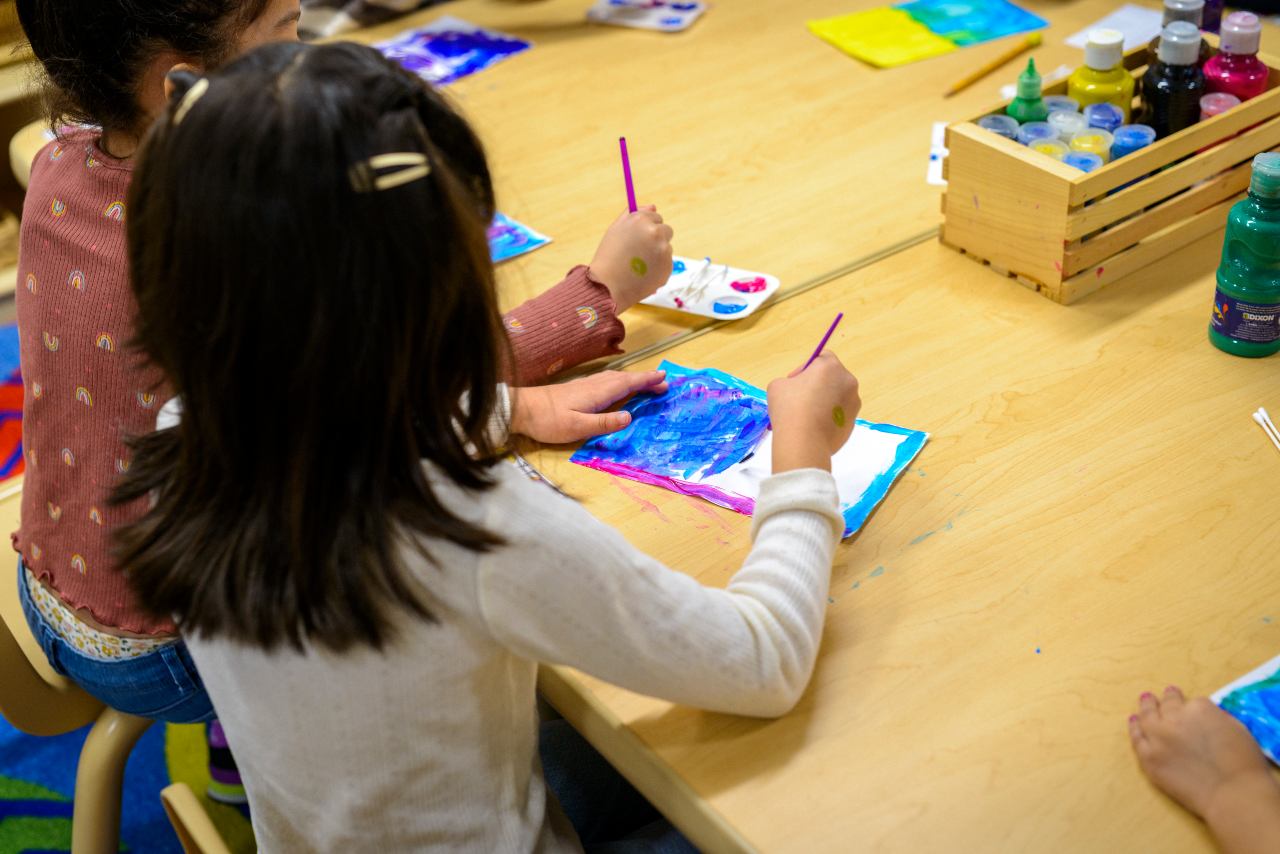
Every day, our little ones dive into a world of colors and shapes, exploring their creativity through various art projects. From painting to clay modeling, they learn to express themselves in ways words cannot capture. Art is not just an activity; it’s a journey of imagination.

Sensory Experiences

Our program is designed to engage all the senses, not just sight. Children touch, smell, and even listen to different materials, discovering the world in a multi-sensory way. This holistic approach helps them connect more deeply with their art and the world around them.

Children’s Drawing: Free Expression or Skill to be Taught?

In our curriculum, we emphasize that drawing is a form of free expression. While we guide them on techniques, the focus remains on letting their imaginations run wild. This balance ensures that each child can develop their artistic skills at their own pace, without losing the joy of creation.

Crafting Childhood Memories through Art

happy birthday greeting card beside green pen

In our program, teachers are not just instructors; they are facilitators of creativity. They provide the tools and guidance, but it’s the children who lead the way with their imaginations. This approach helps each child in Hillsboro, Oregon, and Aloha, Oregon, to feel valued and understood.

Our curriculum is designed to offer children a range of aesthetic experiences, from painting and sculpting to music and dance. These activities are not only fun but also crucial for developmental growth. They help children express themselves and understand the world around them.

Embracing Creativity, Shaping Dreams

brown and grey trees and rock formation painting

Children are natural artists, and our program nurtures this from a very young age. We believe that every child has the potential to express themselves through art, which helps in their overall development. Art is not just about creating; it’s about expressing feelings, thoughts, and experiences.

Creative Experiences

Our curriculum includes a variety of creative activities that are both fun and educational. These activities are designed to foster creativity and encourage exploration:

  • Painting and drawing
  • Sculpting with clay
  • Collage making
  • Multicultural hands-on experiences

Art and the Developing Child

Art plays a crucial role in the development of a child. It helps in enhancing motor skills, improving problem-solving abilities, and boosting self-esteem. Our program ensures that children engage in art activities that are age-appropriate and enjoyable, making every day an opportunity for learning and growth.

By integrating art into daily learning, we provide a platform for children to explore and develop their creativity while also learning about the world around them.

Where Imagination Meets Education

Planning, Implementing, and Evaluating Art

In our preschool, we believe that every child is an artist waiting to express themselves. We plan art activities that are not only fun but also educational. Our teachers guide the children through each project, ensuring they understand the techniques involved while allowing room for personal expression. We evaluate each activity to make sure it meets our educational goals and brings joy to our students.

Integrating Art Across the Early Childhood Curriculum

Art isn’t just a separate class; it’s part of everything we do at our preschool. From math to science to language arts, art is integrated to help children learn in a way that’s natural and enjoyable. This approach helps children see the connections between different subjects and how creativity can be applied everywhere.

Art as a Child-Centered Pursuit

At our preschool, art is all about the kids. We provide the time, space, and materials they need to create, and then we step back. It’s their time to shine, to explore, and to make something beautiful. This child-centered approach ensures that our students are not just learning about art, they are living it.

At the intersection of creativity and learning, ‘Where Imagination Meets Education’ offers a unique educational experience for your little ones. Dive into a world where education is not just about facts, but about sparking the imagination. Visit our website to explore our programs and join us in nurturing the next generation of thinkers and innovators. Let’s make education a thrilling adventure together!

Conclusion

In crafting the minds of our youngest learners, the Creative Curriculum Preschool Program stands as a beacon of innovation and inspiration. By intertwining artistic expression with developmental learning, we not only foster creativity but also cultivate critical thinking and problem-solving skills from an early age. This program is not just about making art; it’s about making thinkers, dreamers, and innovators. As we continue to embrace and refine this curriculum, we are setting the stage for a generation that sees the world not only as it is but as it could be, filled with color, shape, and boundless possibilities. The journey of education through art is not merely a supplement to traditional learning but a necessary pillar that supports the holistic development of every child.

13May2024

Exploring the Intersection of Language Learning and Creativity

colored pencil lined up on top of white surface

The Role of Divergent Thinking

Learning a new language isn’t just about memorizing words and grammar. It’s about thinking in new ways! When we learn languages, we often have to come up with creative solutions because some words don’t have direct translations. This is called divergent thinking, and it’s a super important part of being creative.

Collaborative and Experiential Learning Approaches

Did you know that working with others can help you be more creative? When we learn languages together, through games or talking, we’re using what’s called collaborative and experiential learning. This means we learn by doing and sharing, which is a lot more fun and can help everyone think more creatively.

Language Learning’s Broader Cognitive Benefits

Learning languages does more than just help us communicate. It can also make our brains stronger in other ways! For example, people who speak more than one language are better at multitasking and might even make smarter decisions. So, learning a new language doesn’t just help us talk to more people; it also helps our brains grow stronger and smarter.

Cultural Perspectives on Creativity and Innovation

four children standing on dirt during daytime

The Role of Divergent Thinking

Divergent thinking is a process for generating creative ideas by exploring many possible solutions. It typically occurs spontaneously, free-flowingly, and “non-linearly,” generating many ideas in an emergent cognitive fashion.

Collaborative and Experiential Learning Approaches

When we learn with others, we get to share ideas and try new things together. This is called collaborative learning. Experiential learning means learning by doing. Both of these help us understand things better and become more creative.

Language Learning’s Broader Cognitive Benefits

Learning a new language doesn’t just help us talk to more people. It also makes our brains stronger. It can improve our memory, help us solve problems better, and even make us better at multitasking.

By exploring how language learning and creativity work together, we can find new ways to think and learn.

Practical Applications of Creative Language Learning

person writing on brown wooden table near white ceramic mug

Strategies for Enhancing Creativity Through Language

Learning a new language isn’t just about memorizing words and grammar. It’s about thinking in new ways and seeing the world differently. Using a bilingual creative curriculum can help kids at preschools like Little Thinkers ABC in Aloha, Oregon, to think more creatively. This involves fun activities that mix language learning with art, music, and play.

Purpose-Driven Innovation in Language Education

When preschools focus on purpose-driven learning, they help kids understand why they’re learning what they’re learning. For example, using language to solve problems or tell stories can make learning more meaningful. This approach is especially effective in multicultural hands-on experiences, where kids learn about different cultures through language.

From Imagination to Implementation

Turning creative ideas into real-world projects can be exciting for kids. Preschools that encourage this kind of learning allow children to design their own projects using the new languages they are learning. This could be making a simple book, putting on a play, or even starting a small business at school. It’s all about bringing their imagination to life and learning practical skills along the way.

The Future of Innovation in Language Education

Integrating New Teaching Methods

In the future, schools like Little Thinkers ABC will use new ways to teach languages. Teachers will mix games, technology, and group projects to make learning fun and effective. This helps kids understand and use new words in real-life situations.

Adapting to Technological Advancements

As technology gets better, our classrooms will too. We’ll use apps and online tools to help kids learn languages faster. This means they can practice anytime, anywhere, which is super cool!

Fostering Global Collaboration

Learning languages helps us make friends from around the world. Schools will work together across countries to share ideas and projects. This means kids will not only learn new languages but also about new cultures and ways of thinking.

As we explore ‘The Future of Innovation in Language Education’, it’s crucial to recognize the role of early education in shaping young minds. At Little Thinkers ABC, we are dedicated to providing a stimulating curriculum that nurtures creativity and growth. Discover how our programs can benefit your child by visiting our website and learning more about our offerings. Let’s build a brighter future together!

Conclusion

In the exploration of the convergence of language and creativity at Little Thinkers ABC, we’ve delved into how linguistic diversity and innovative teaching methods can significantly enhance creative thinking. The insights from various studies underscore the importance of embracing different cultural perspectives and collaborative learning environments to foster creativity. As we look towards implementing these strategies, it’s clear that the potential for innovation is boundless when we allow language learning to intersect with creative processes. This journey not only enriches the minds of learners but also prepares them to contribute uniquely and effectively in a diverse world.
Summer Enrollment & School Year

This field is for validation purposes and should be left unchanged.
Email(Required)